Do Timber Frame Houses Hold Their Value in the UK?

For those considering a bespoke home, there are often worries around the long-term financial viability of opting for a timber-framed design. This is a fair concern, as a home is a long-term investment. Buyers want confidence that what they build today will still be desirable, mortgageable, insurable, and structurally sound decades from now.
The short answer is yes, timber-framed houses can hold their value well. As we will explain more within this guide, this depends on how the house is designed, manufactured, and built, and crucially, what type of timber frame is used.
We’ll explore how value retention works for timber-framed homes in the UK, before looking more closely at our own oak-framed houses, and why a well-designed oak frame house can be one of the most enduring and desirable forms of home construction available today.
What Does “Holding Value” Actually Mean?
When assessing whether a home holds its value, it’s useful to look beyond the headline sale price alone. In practice, value retention is influenced by several factors:
- Resale demand, or how attractive the home is to future buyers
- Survey outcomes, or whether construction raises red flags or provides reassurance
- Mortgage availability, or the ease of securing finance
- Insurance acceptance, including the cost, terms, and specialist requirements
- Running costs, energy efficiency, and ongoing maintenance
Homes that perform well across these areas tend to sell more easily, attract stronger offers, and retain their appeal even as tastes and regulations change.
Why Might a Timber Frame House Retain Its Value?
Because timber houses are no longer a niche concept on the UK market. Thousands are built every year, and when constructed properly, they perform comparably to more familiar masonry builds. A timber-framed house that is:
- Professionally designed
- Built to recognised standards
- Properly documented
- Energy efficient and well-maintained
can hold its value just as effectively as a traditional brick-and-block property.
How Key Retention Factors Might Come Into Play
Build Method and Materials: Modern timber framing encompasses a wide range of systems. Some prioritise speed and cost; others prioritise longevity and craftsmanship. Buyers, surveyors, and insurers increasingly recognise this distinction.
Design Longevity: Timeless architecture, like timber, ages far better than trend-led design. Homes that respect proportion, material honesty, and context tend to remain desirable for longer.
Quality Assurance and Standards: Independent certification, controlled manufacturing processes, and clear structural engineering all contribute to buyer confidence and, therefore, long-term value.
Thermal Performance and Efficiency: Efficient buildings appeal to buyers concerned about comfort, sustainability, and long-term running costs. High-quality timber buildings typically offer excellent thermal performance.
The Difference in Our Oak-Framed Houses

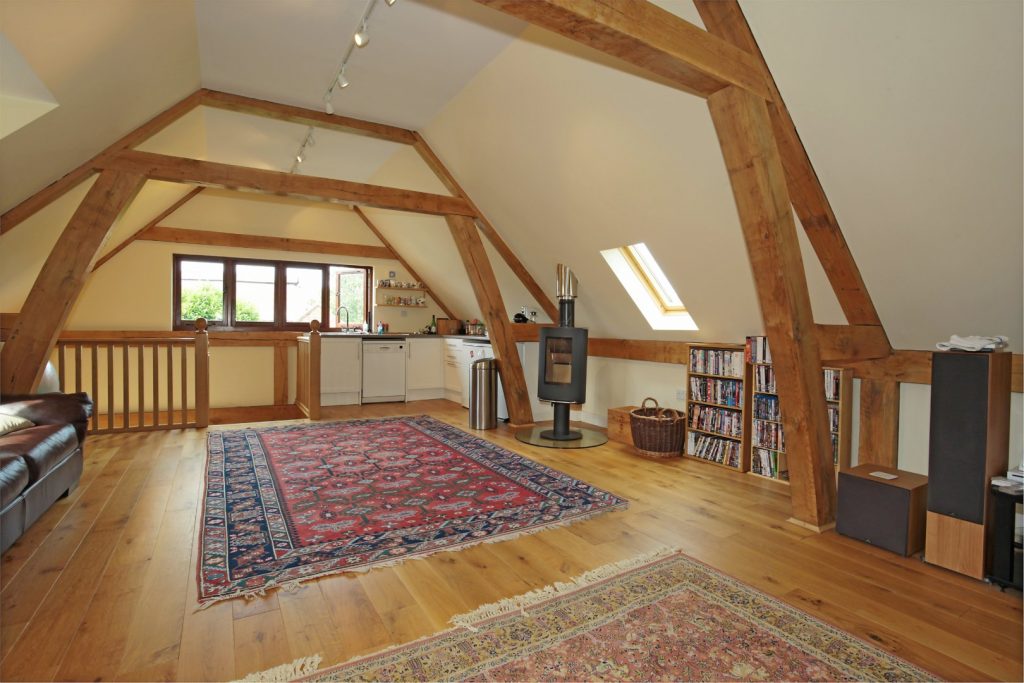
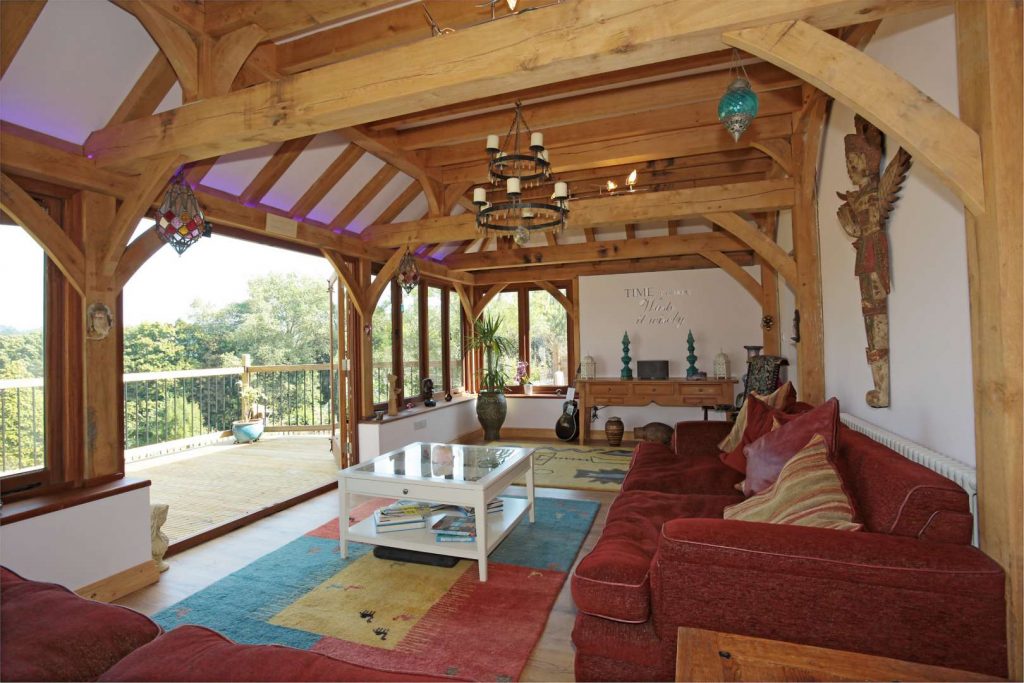
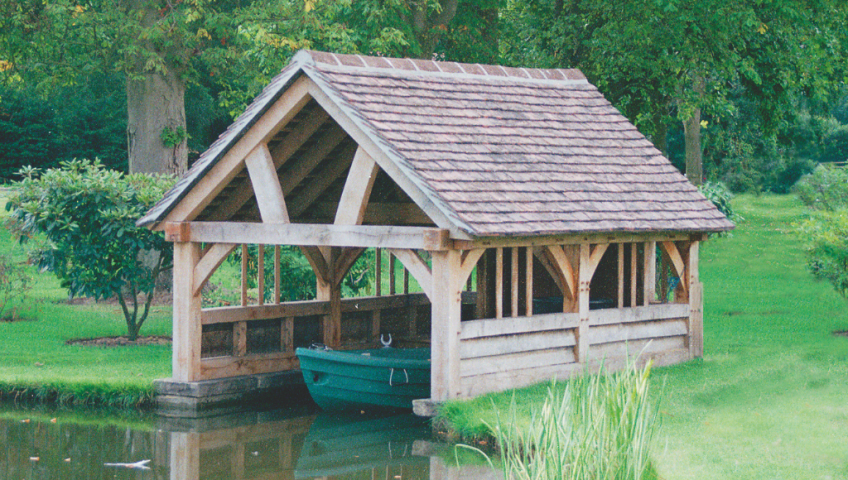
While “timber-framed house” is often used as a broad category, oak-framed houses occupy a distinct and more prestigious position within it. A traditional green oak-framed house is not simply a modern timber system; it is a continuation of centuries-old English building practice, refined through modern engineering.
Why Our Oak-Framed Houses Retain Their Value
Enduring Desirability Rooted in Heritage
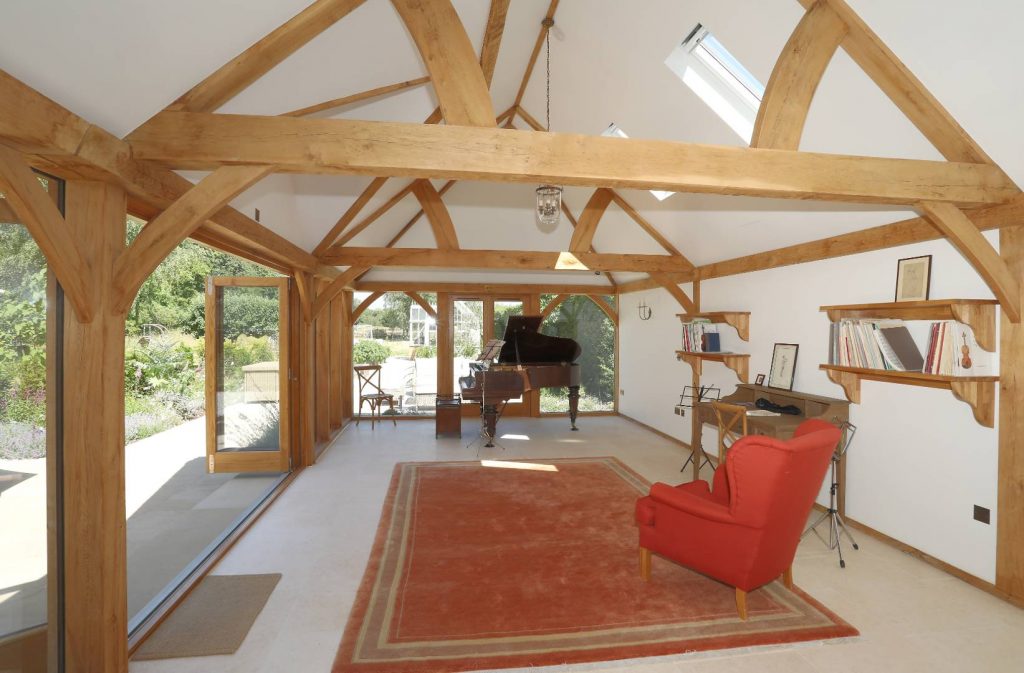
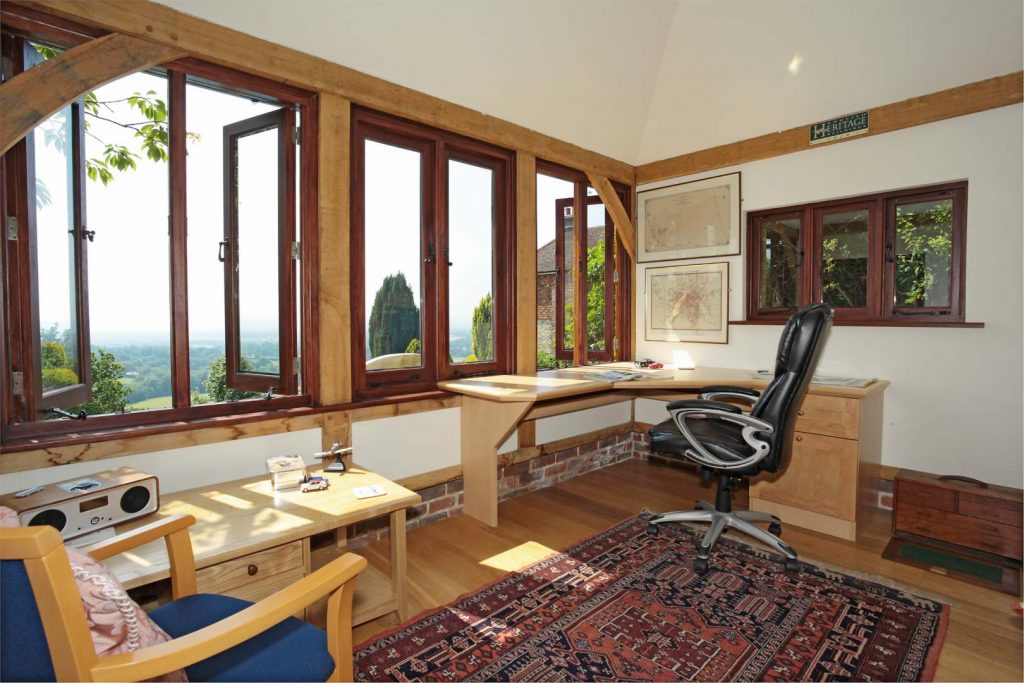
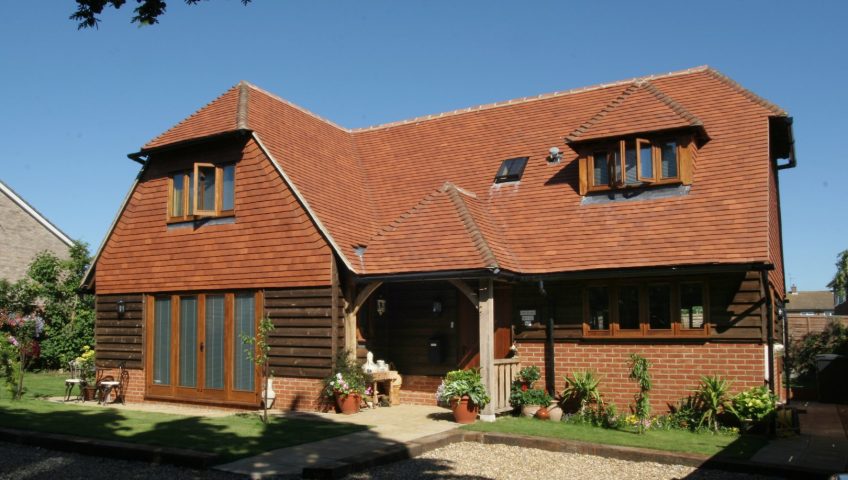
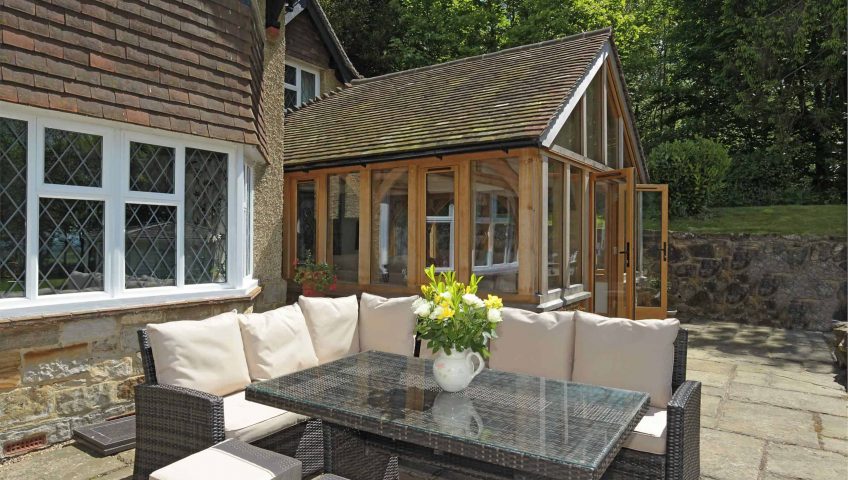
Our oak-framed houses are designed to reflect the proportions, materials, and detailing found in England’s most enduring historic buildings. Rather than following short-lived architectural trends, each home is conceived to sit comfortably within its setting, both today and decades from now. This respect for heritage creates homes with lasting appeal, which is an important factor when future buyers are drawn to character, authenticity, and craftsmanship over fashion-led design.
Structural Confidence Through Engineered Oak Frames
Oak is a living material, and its long-term performance depends on how it is detailed and engineered. We design every oak frame to properly accommodate natural movement, using traditional jointing methods refined through modern precision engineering. The result is a structure that remains stable, predictable, and robust over time, which is an essential consideration for surveyors, lenders, and buyers assessing long-term value.
Quality Assurance That Reduces Risk
We are the only oak frame manufacturer in the UK to hold BM TRADA Q-Mark certification, having met and consistently passed 22 independent industry standards. Combined with specialist in-house timber grading and audited manufacturing processes, this level of quality assurance significantly reduces uncertainty. For anyone assessing an oak-framed house, this oversight provides reassurance that the structure has been produced to recognised, repeatable standards.
Performance and Comfort Without Compromise

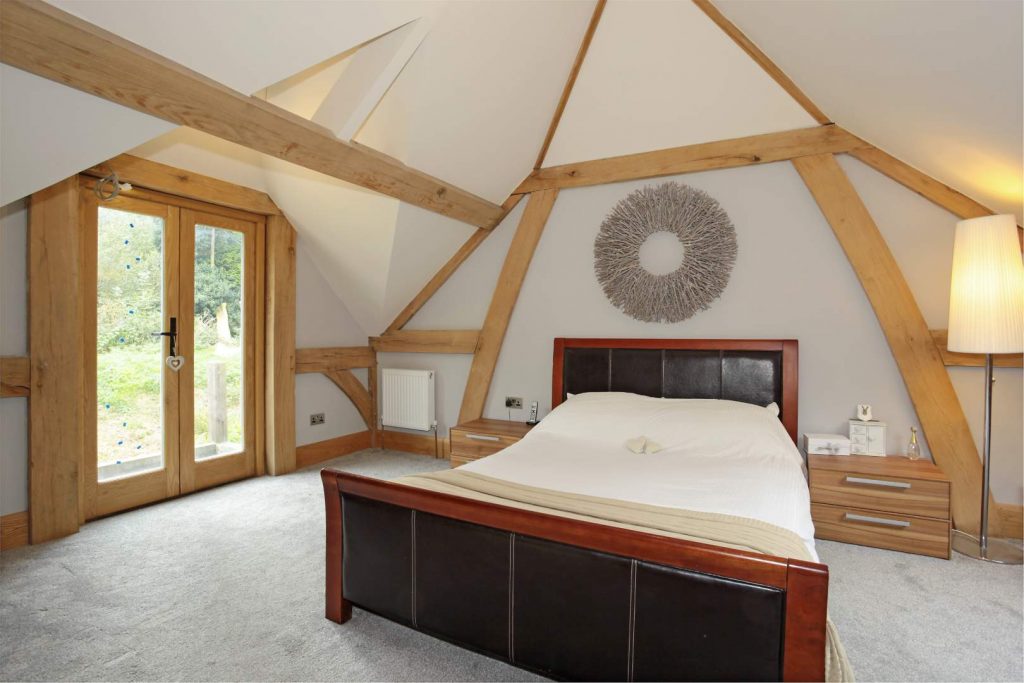
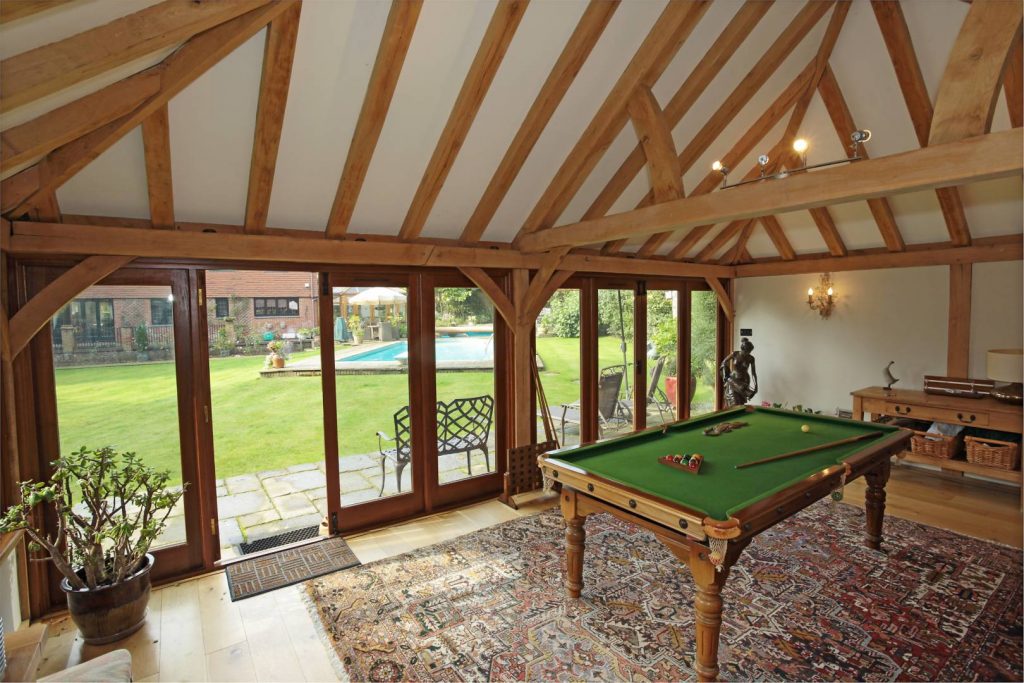
An oak-framed house is designed to work seamlessly with modern insulation systems and building envelopes. While the oak frame provides the structural backbone and visual character, the surrounding construction delivers comfort, energy efficiency, and year-round usability. This balance of traditional craftsmanship and modern performance supports both everyday living and long-term desirability.
Build Clarity From the Outset
Every one of our oak frames is fully designed, engineered, and agreed upon before manufacture begins. Structural calculations, detailing, and specifications are resolved upfront, allowing costs and expectations to be clearly defined. This clarity reduces the risk of late-stage changes or uncertainty. This is an advantage not only during construction, but also when a property is assessed at resale.
A Longevity-First Mindset
Perhaps most importantly, we approach oak-framed houses as long-term assets rather than short-term projects. Frames are designed with lifespans measured in decades, not years, reflecting the same principles found in historic oak buildings that have stood for centuries. This, supported by a comprehensive 10-year frame guarantee when assembled by an approved contractor, positions each home as something to be lived in, enjoyed, and ultimately passed on.
How to Manage Potential Challenges
Mortgage Availability: Some lenders apply additional scrutiny to timber construction. However, this often comes down to clarity. Clear drawings, engineering calculations, and recognised standards significantly improve lender confidence.
House Insurance: Insurance premiums can sometimes be higher, particularly where insurers lack familiarity with the build type. Specialist insurers and clear specifications help mitigate this.
Maintenance Considerations: Oak frames themselves require minimal maintenance, but joinery, gutters, and detailing should be cared for properly. Preventative maintenance protects both structure and long-term value.
Take the Next Step to Your Dream Oak-Framed Home
Timber-framed houses retain their value when they are designed, manufactured, and built properly. When that timber frame is a carefully engineered oak structure, built with respect for heritage and supported by modern precision, the result is often a home that becomes more desirable with time.
If you’re exploring the idea of an oak-framed house and want to understand how design, build quality, and long-term value come together, the next step is simple.
Explore what’s possible by requesting a brochure, viewing real examples of oak-framed buildings in our Gallery, or getting in touch to speak with a specialist about shaping a home that’s built not just for today but for generations to come.