Roof Options for Our Oak-Framed Buildings
When designing your oak-framed building, the roof is far more than just a finishing touch. It plays a central role in how your building looks, how it feels inside, and how well it performs over time.
At English Heritage Buildings, every structure is made bespoke, which means your roof can be tailored to suit your property, your preferences, and the way you plan to use the space. From traditional roof shapes to carefully considered details that bring in light or add character, each option has a purpose.
You don’t need to know all the technical terms to make the right decision. Our team will guide you through the options, helping you choose a roof design that complements your home and enhances your building.
Why Roof Design Matters for Your Oak-Framed Building
The choices you make with your roof will influence:
- The overall appearance, from classic and traditional to more refined or distinctive styles
- Internal space and headroom, as certain designs can create more usable space without increasing height
- Natural light, as features like rooflights and lanterns can transform how bright and open your building feels
- Practical performance, including drainage, weather protection, and long-term durability
- Planning considerations, as some roof styles may better suit your local area or property type
Understanding your options helps ensure your building feels right, both visually and practically.
Roof End Styles for Oak-Framed Buildings

Gable Roof End
What it is: A classic roof shape with two sloping sides meeting at a central ridge, creating a triangular wall section at each end.
How it works: This is one of the most traditional roof forms used in oak frame buildings and suits a wide range of structures.
Why you might choose it: A gable roof offers timeless appeal and a clean, recognisable silhouette. It’s often chosen for its simplicity, balance, and ability to complement both period and modern properties.
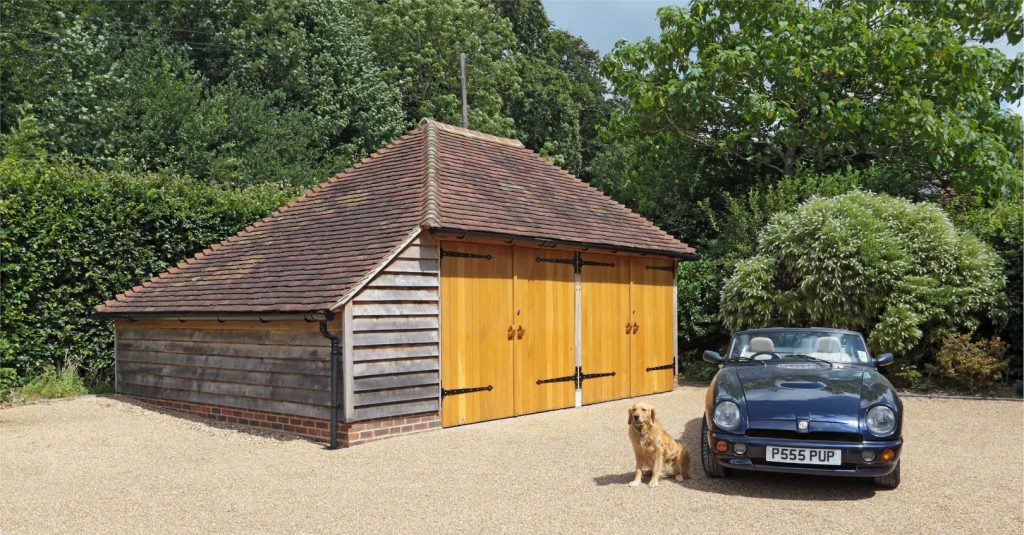
Full Hip Roof End
What it is: A roof where all sides slope downwards towards the walls, with no vertical gable ends.
How it works: The sloped ends create a softer, more uniform roofline compared to a gable.
Why choose it: Full hip roofs are often selected for their elegant appearance and their ability to sit subtly within a landscape. They can also offer improved wind resistance due to their shape.

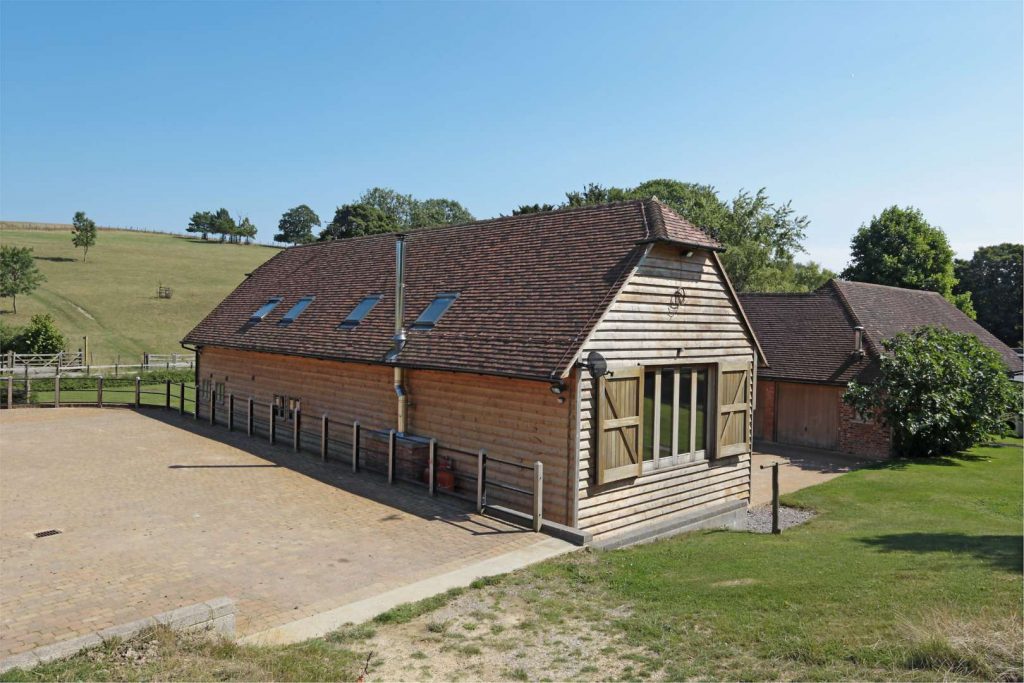
Barn Hip Roof End
What it is: Also known as a half hip, clipped gable, or Dutch hip, this design combines elements of both gable and hip roofs.
How it works: The top section of the gable is replaced with a small sloped section.
Why choose it: A barn hip offers a traditional, characterful look often associated with agricultural buildings. It softens the roofline while retaining some of the height and presence of a gable.
Gablet (Dutch Gable)
What it is: A hip roof with a small gable section at the top.
How it works: This design blends the structure of a hip roof with the visual interest of a gable.
Why choose it: A gablet creates a distinctive architectural feature, adding both character and visual balance. It can be ideal for homeowners looking for something slightly more unique.
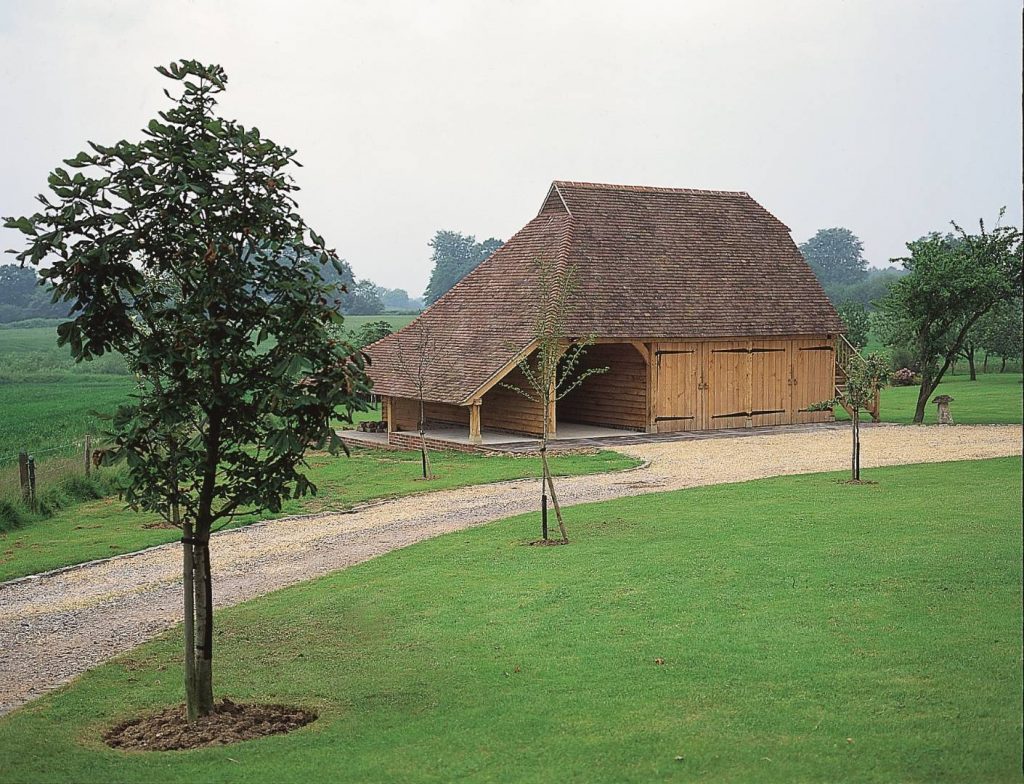
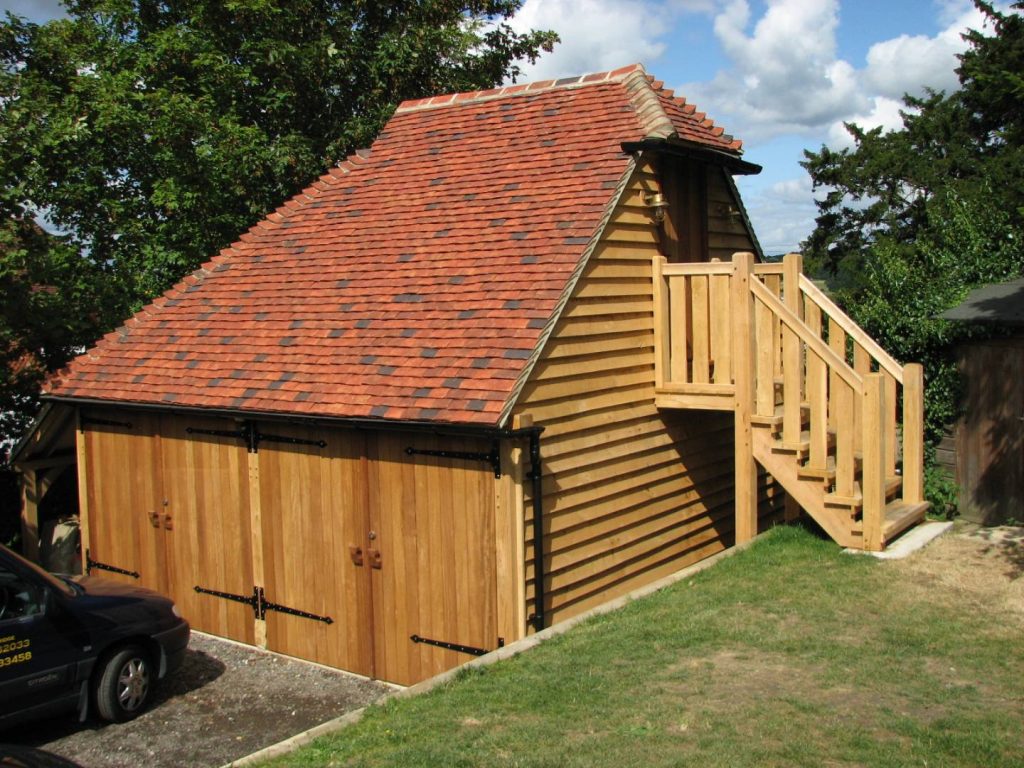
Catslide Roof
What it is: A roof that extends downwards beyond the main eaves, creating a longer slope on one side.
How it works: This allows the building to gain additional depth without increasing the overall ridge height.
Why choose it: A catslide roof is a practical solution when you want more internal space while keeping the building’s height lower. It’s often used where planning restrictions are a consideration.
Roof Features That Add Light, Detail, and Character
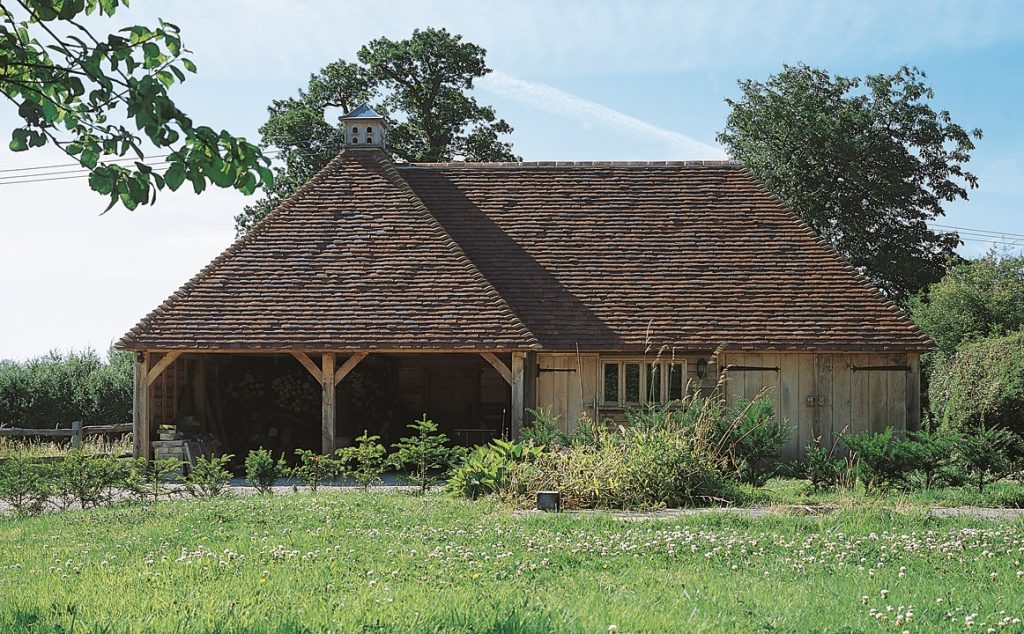
Dovecotes
What they are: Decorative roof features inspired by traditional dove nesting structures.
How they work: Available as functional or non-functional designs, dovecotes sit on the roof and add a traditional architectural detail.
Why choose them: They bring a sense of heritage and craftsmanship to your building, enhancing its character and visual appeal.
Clock Towers
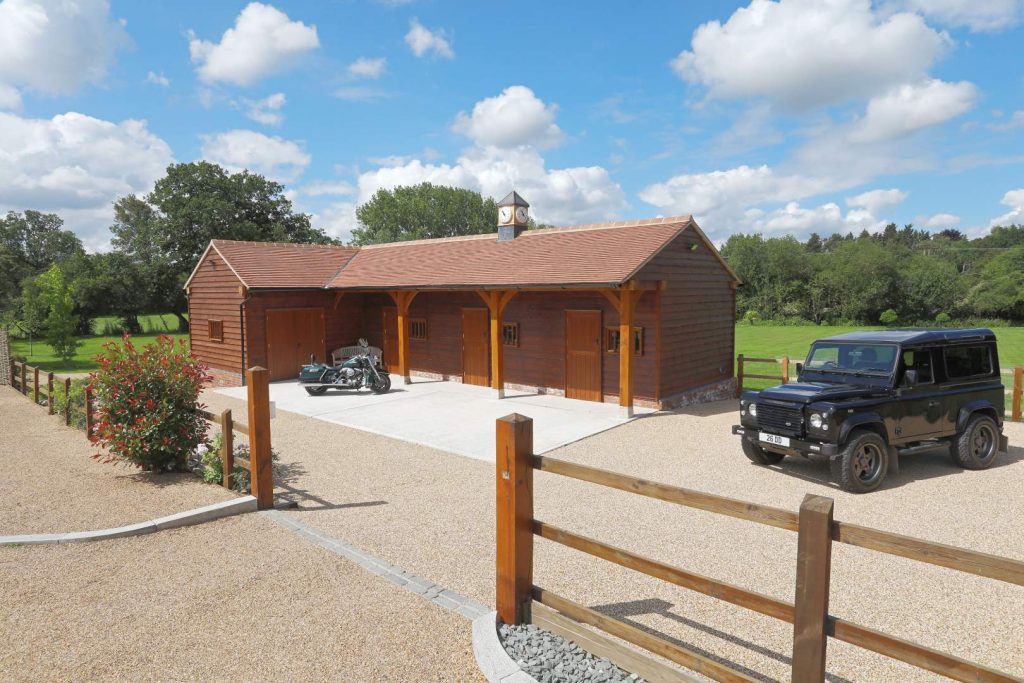
What they are: A striking roof feature with a clock face mounted on one or more sides.
How they work: Clock towers are typically positioned centrally on the roof and can be customised with different colours and optional features – including weather vanes.
Why choose them: They create a strong focal point and add a sense of individuality and prestige to your building.
Dormers
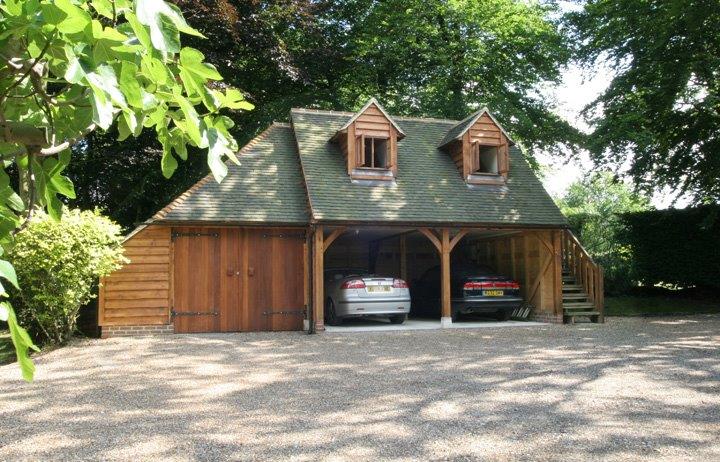
What they are: Structures that project from the roof slope, usually containing a window.
How they work: Dormers increase headroom and allow light into upper areas of the building.
Why choose them: They are ideal if you want to make upper spaces more usable, brighter, and more comfortable.

Rooflights
What they are: Windows installed directly into the roof slope.
How they work: They allow natural light to enter from above, without altering the roof structure significantly.
Why choose them: Rooflights are a simple and effective way to brighten your building. Conservation-style options are available to maintain a traditional look.
Lanterns
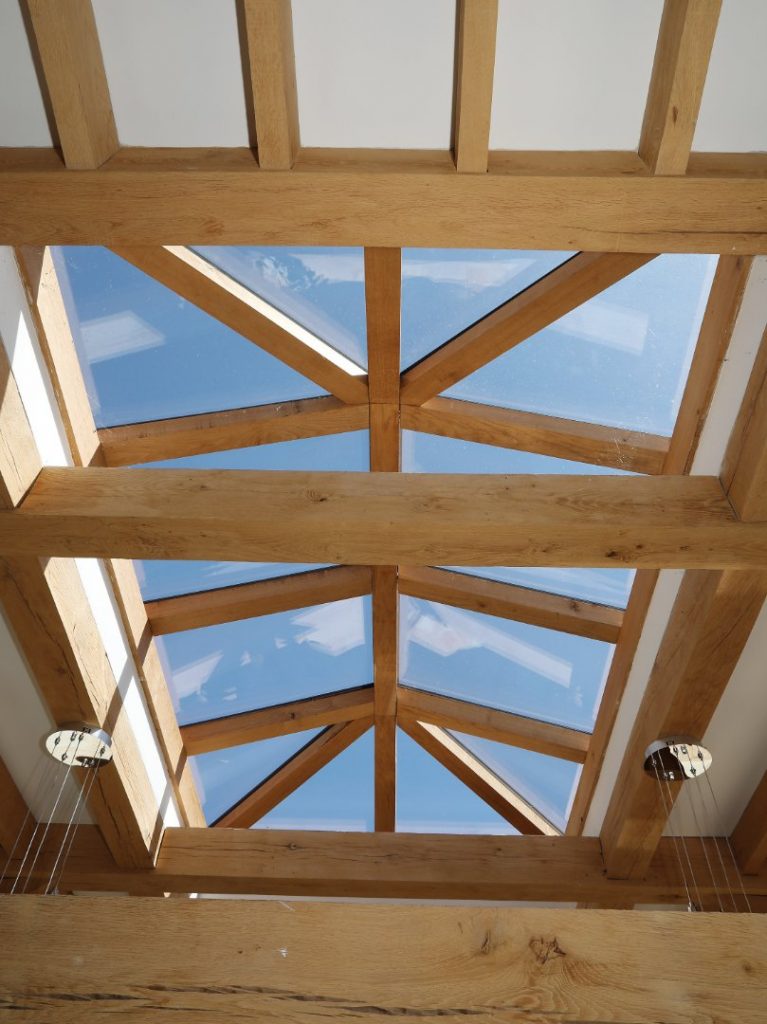
What they are: Glazed roof structures framed in oak, typically positioned on flatter roof sections.
How they work: They bring in overhead light through a glazed feature supported by oak rafters.
Why choose them: Lanterns create a bright, open feel and can become a standout architectural feature, particularly in garden rooms or extensions.
Leaded Finial
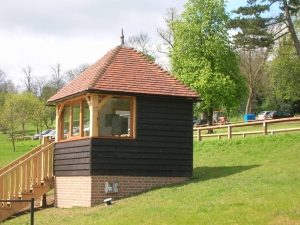
What it is: A decorative feature placed at the highest point of the roof.
How it works: It provides a neat and traditional finish to roof designs that come to a point.
Why choose it: A leaded finial adds a refined finishing touch, enhancing the overall appearance of the building.
Finishing Details That Protect Your Building
Guttering
What it is: A system designed to collect and direct rainwater away from the building.
How it works: Water is channelled through gutters and downpipes into drainage systems such as soakaways.
Why it matters: Proper drainage is essential for protecting your building and meeting building regulations. A range of materials, including aluminium, cast iron, copper, and uPVC, can be used depending on your preferences and any planning requirements.
Which Roof Option Is Right for Your Project?
Choosing the right roof comes down to how you want your building to look and function.
- If you prefer a classic, traditional appearance, a gable roof is often the natural choice
- If you want a softer, more understated look, a hip design may be more suitable
- If you need more internal space without increasing height, a catslide roof can be a practical solution
- If natural light is important, rooflights or lanterns can transform the feel of the space
- If you want to add character, features like dovecotes, clock towers, or finials can make your building stand out
Every project is different, and the best option will depend on your property, your priorities, and how you intend to use the space.
Why Understanding Roof Options Helps You
Taking the time to understand your roof options allows you to make more informed decisions from the outset.
It helps you:
- Visualise how your building will look and feel
- Consider both appearance and practicality, not just one or the other
- Ask the right questions during the design process
- Avoid compromises later on
- Feel confident that your building has been designed around your needs
This knowledge ensures your oak-framed building is not only beautiful, but also works perfectly for how you live.
Why Choose English Heritage Buildings?
With over 30 years of experience in crafting oak-framed buildings, we combine traditional English craftsmanship with modern precision manufacturing to deliver structures of exceptional quality.
As the only oak frame manufacturer in the UK to achieve the BM TRADA Q-Mark certification, we work to some of the most rigorous standards in the industry. Every detail, from timber grading to final design, is managed with care and consistency.
Because every building is bespoke, we take the time to understand your vision and guide you through the options, helping you create a building that feels right in every sense.
Start Planning Your Oak-Framed Building
Choosing the right roof is an important step in creating a building that truly works for your home. If you’re exploring ideas, you can continue browsing our guides, galleries, and resources – including requesting a brochure – to learn more about oak-framed buildings and the design process.
If you’re ready to take the next step, our team is here to help. Get in touch to discuss your project, and we’ll guide you through the options, from initial ideas to a fully considered design.
