One of the unique characteristics of freshly cut green oak is its natural process of drying. As it loses moisture, the oak will move, shrink, and twist slightly. This is not a flaw, but a vital part of what makes oak so extraordinary. Rather than diminishing its beauty or its durability, the process only enhances the material itself. As a result, your oak-framed building will age gracefully and stand out for decades with its timeless appeal.
The Drying Process and Movement of Green Oak

Green oak is oak that has been freshly cut and has a higher moisture content compared to
seasoned or kiln-dried oak. This moisture is a natural part of the tree’s life cycle, and it
remains within the timber once it’s harvested. When green oak is used in construction, it’s
essentially still a living material, full of water that needs to evaporate before the oak can settle
into its final form.
As green oak begins to dry, the moisture content gradually decreases. As the water evaporates
from the cells within the timber, it causes the oak to shrink and move. The shrinkage occurs in
two main directions: across the width of the wood and along the grain. This movement can cause the oak to twist, bow, or bend slightly, resulting in subtle, natural shifts that you may notice over time.
This movement is not a flaw, but rather a characteristic of oak’s natural properties. The twisting
and shrinking process improves the structural integrity of the timber, making it stronger and more resilient as it ages. This unique ability to adapt and become stronger, rather than weaker, is one of the reasons oak has been a prized material for centuries.
How We Account for Movement
We know that green oak will naturally move and shift as it dries, and we embrace this characteristic as part of what makes oak-framed buildings so special. Rather than viewing this movement as a challenge, we take it into account and use it to our advantage, ensuring that the natural evolution of the wood adds beauty, strength, and durability to every structure we create.
Our design team works closely with each client to understand their needs and how the timber will behave over time. With our expertise in timber grading and the properties of green oak, we create designs that not only anticipate the natural shrinking and twisting of the wood but also take steps to accommodate it. This will always be in a way that ensures your building remains structurally sound and aesthetically stunning.
Our Joining Techniques
One of the key ways we account for the movement is through our careful design of joints and connections. We don’t simply use standard methods for timber frame construction; instead, we tailor each frame to allow for the oak’s natural shifting. Traditional jointing techniques, such as mortise and tenon joints, are carefully crafted to allow the wood to move without compromising the structure. These joints are designed to “give” as the wood shrinks, ensuring that the frame remains secure while allowing the natural beauty of the oak to shine through.
Additionally, our team ensures that all connections are made with materials that accommodate the expansion and contraction of the timber. This allows the frame to settle into place without affecting the overall integrity of the building.
The Aesthetic Benefits of Oak’s Movement
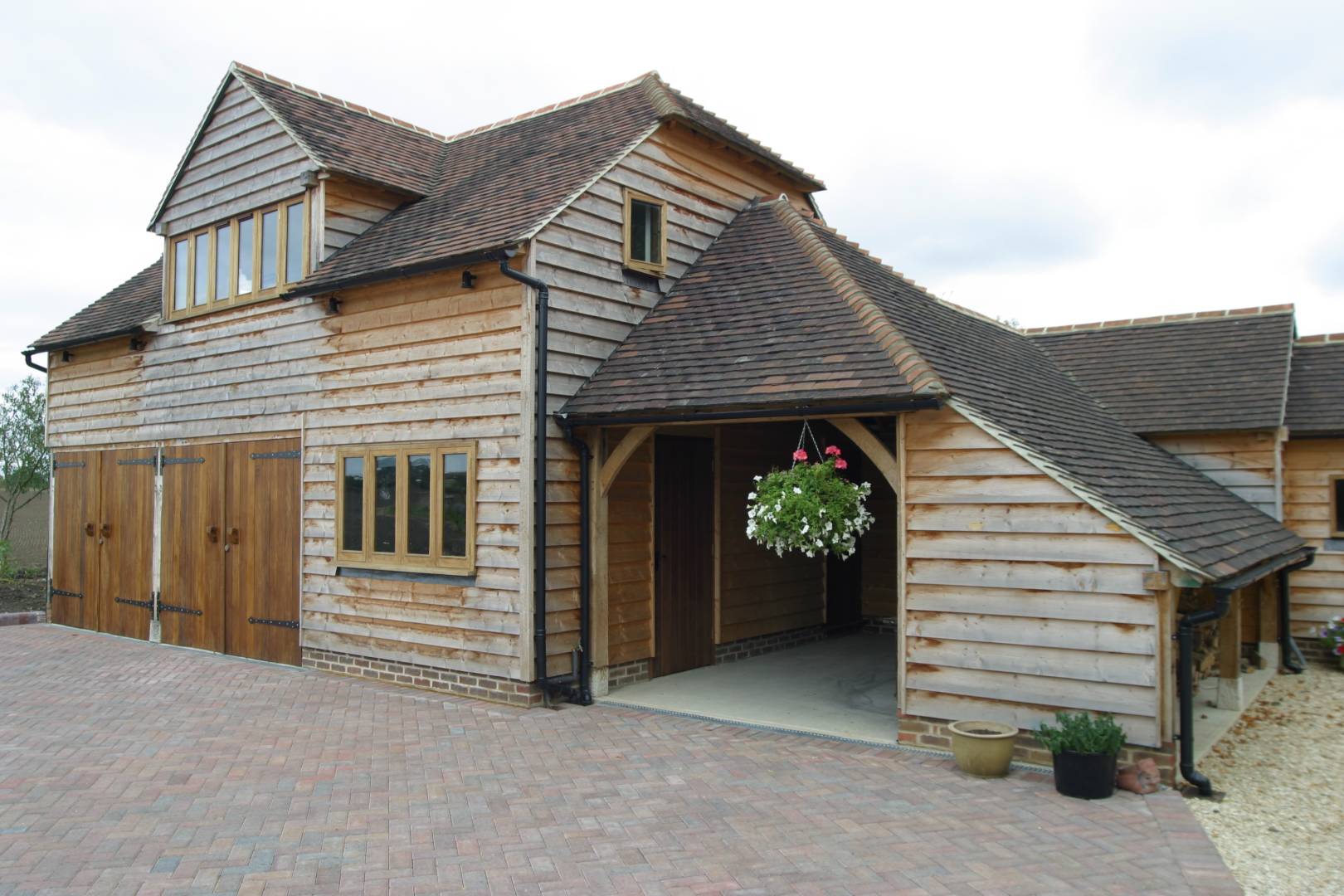
As the oak dries and settles, its rich colour deepens, transforming from a fresh, light tone
to a deeper hue. This process adds a sense of warmth and elegance to the structure,
adding to its classic appeal. The grain of the oak also becomes more pronounced, and
the twists and turns of the wood’s natural movement enhance the texture and depth of the frame.
These subtle imperfections lend the building a sense of authenticity and character that
cannot be replicated by other materials. This contributes to the overall charm and elegance
of the building, making it feel as though it has been a part of the landscape for generations, even if it’s only recently been constructed.
Oak Patina
As the oak weathers, it develops a natural patina, giving the frame a unique, weathered look that speaks to its resilience and history. The changing colours, from golden browns to silvery greys, add depth and richness to the exterior, enhancing the building’s connection to nature
and the environment around it. Over time, this process only adds to the building’s beauty, making
it a structure that grows more captivating with each passing year.
Minimal Maintenance and Long-Term Durability
Oak is known for being one of the most robust and long-lasting materials in the world, naturally resistant to moisture, insects, and the effects of weathering. This resilience means that, unlike many other construction materials, oak requires very little maintenance over time. The natural properties of oak make it a superb choice for a building that will last for decades while minimising the need for frequent repairs or upkeep.

Resisting Insects and Moisture
Over the years, oak’s resistance to decay and pests, such as woodworm or rot, ensures that your oak-framed building remains structurally sound and beautiful for generations to come. The grain tightens as it dries, making the timber even stronger and more resilient, while the natural oils within the wood protect it from moisture damage. This process means that your building will endure, requiring minimal attention to maintain its integrity and appearance.
Taking Care of Your Oak-Framed Building
The low-maintenance nature of oak is one of its best features. While other materials may require regular treatments or sealants to protect against the elements, oak’s natural durability means you
can enjoy a stunning, timeless building with little more than occasional cleaning, clearing of gutters, or any care required for its wood. This makes oak an ideal material for those looking for a long-lasting, hassle-free investment.
Adding Value to Your Property
An oak-framed building, with its enduring strength, versatility of use, and natural beauty, not only enhances your living space but also increases the overall value of your property. Over time, as the oak matures and the building weathers beautifully, it becomes even more attractive and desirable to potential buyers or tenants. Should you ever decide to sell or rent out your property, a well-kept and presented oak-framed structure like a garden room, large garage, or extension could justify a higher selling or rental price.
Design a Building for a Lasting Legacy
With an oak-framed building from English Heritage Buildings, you’re investing in a piece of England’s architectural heritage, one that will age beautifully, withstand the test of time, and continue to captivate for years to come. Let us help you bring this vision to life. Contact us today to discuss how we can craft the perfect oak-framed building for your property, explore our gallery for stunning examples of our work, or request a brochure to learn more about what our team can do before you start designing.
